
Rubio Recalls Trump Taj Mahal During India Visit
Authored by freebet.icu, 25 May 2026
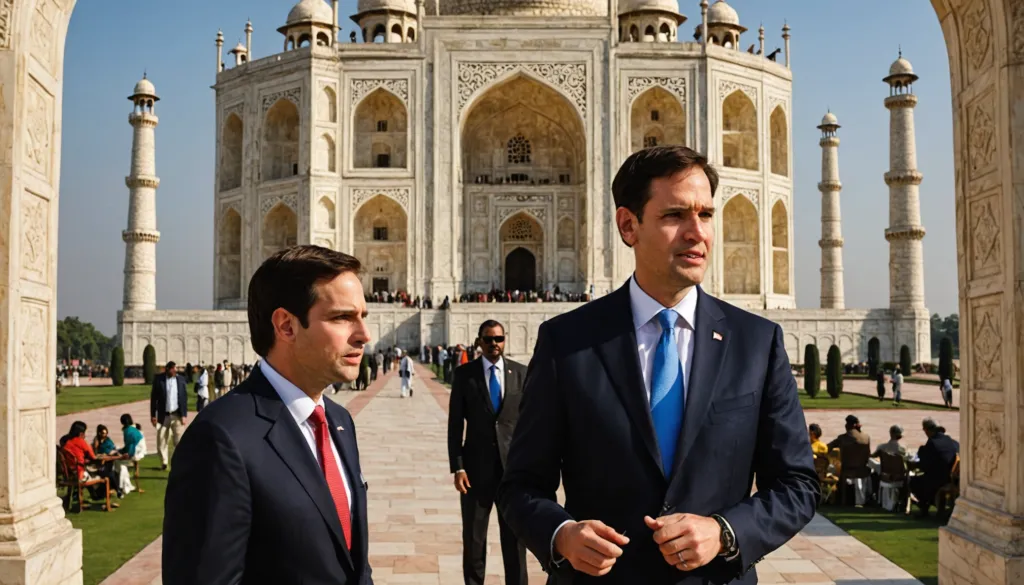
US Secretary of State Marco Rubio visited the Taj Mahal in Agra on Monday with his wife Jeanette during the third day of his four-day trip to India. He was joined by US Ambassador Sergio Gor and other officials, who posed for photographs at the monument. Before the visit, Rubio noted that his only prior reference point for the name was the former Trump Taj Mahal casino in Atlantic City.
Atlantic City Project Carried Heavy Debt
Donald Trump acquired the unfinished Atlantic City site in 1987 and opened the casino in 1990 after investing roughly $1.2 billion. The development relied on $675 million in high-interest junk bonds, creating large daily repayment obligations from the outset. Industry analyst Marvin Roffman warned before opening that these fixed costs would pressure operations once initial public interest declined.
The property featured architectural elements drawn from the Indian monument, including minarets and stone elephants, along with a connected hotel tower. Trump described it at the time as the eighth wonder of the world and the centerpiece of his three Atlantic City casinos. The launch drew celebrities including Michael Jackson, but revenue quickly proved insufficient to cover the debt load.
Repeated Financial Restructuring Followed
Within a year the casino entered bankruptcy proceedings. Trump surrendered half ownership to creditors in exchange for modified repayment terms and later regained control through Trump Hotels and Casino Resorts in 1996. Continued losses led Trump Entertainment Resorts to file for bankruptcy again in 2009, ending his direct ownership role in Atlantic City gaming.
Investor Carl Icahn purchased the company out of that proceeding in 2016, eliminating Trump’s remaining stake. The Taj Mahal closed later that year after labor disputes and ongoing shortfalls. Hard Rock International acquired the property the following year for approximately $50 million and reopened it under its own brand.
Contrast With Original Monument
The Atlantic City project illustrated how high fixed financing costs can outpace even large-scale casino revenue in a competitive regional market. Rubio’s remark highlighted the distance between the historic structure in Agra and the commercial venture that briefly carried the same name. The episode remains a documented case of ambitious real-estate financing in the gaming sector and its eventual outcome.